Mon-Fri (8:30AM-5:30PM)
 (65) 6763 7000


|
|
|||||||||||||||||||||||||||||||||||||||||||||||||||||||||||||||||||||||||||||||||||||||||||||||||||||||||||||||||||||||||||||||||||||||||||||||||||||||||||||||||||||||||||||||||||||||||||||||||||||||||||||||||||||||||||||||||||||||||||||||||||||||||||||||||||||||||||||||||||||||||||||||||||||||||||||||||||||||||||||||||||||||||||||||||||||||||||||||||||||||||||||||||||||||||||||||||||||||||||||||||||||||||||||||||||||||||||||||||||||||||||||||||||||||||||
Floriography- The Delicate and Intrinsic Language of Flowers
Valentine's Day has passed and you received a bouquet. Curious as to what the flowers you received means or want to return the gesture appropriately? Take a look at what each flower symbolize and be in-the-know of the intrinsic language of flowers.
Flower meanings was a popular pastime back in the Victorian Era where flowers were exchanged as a form of coded messages through various arrangements. Floral dictionaries were often used to decode what their "talking bouquets" or nosegays meant, often becoming a must-have with their person.
Different attributes may influence different significance on each flowers such as mythologies, folktales or the sensory impression they have through sight or smell.
A flower may also symbolize different meanings based on its colour.
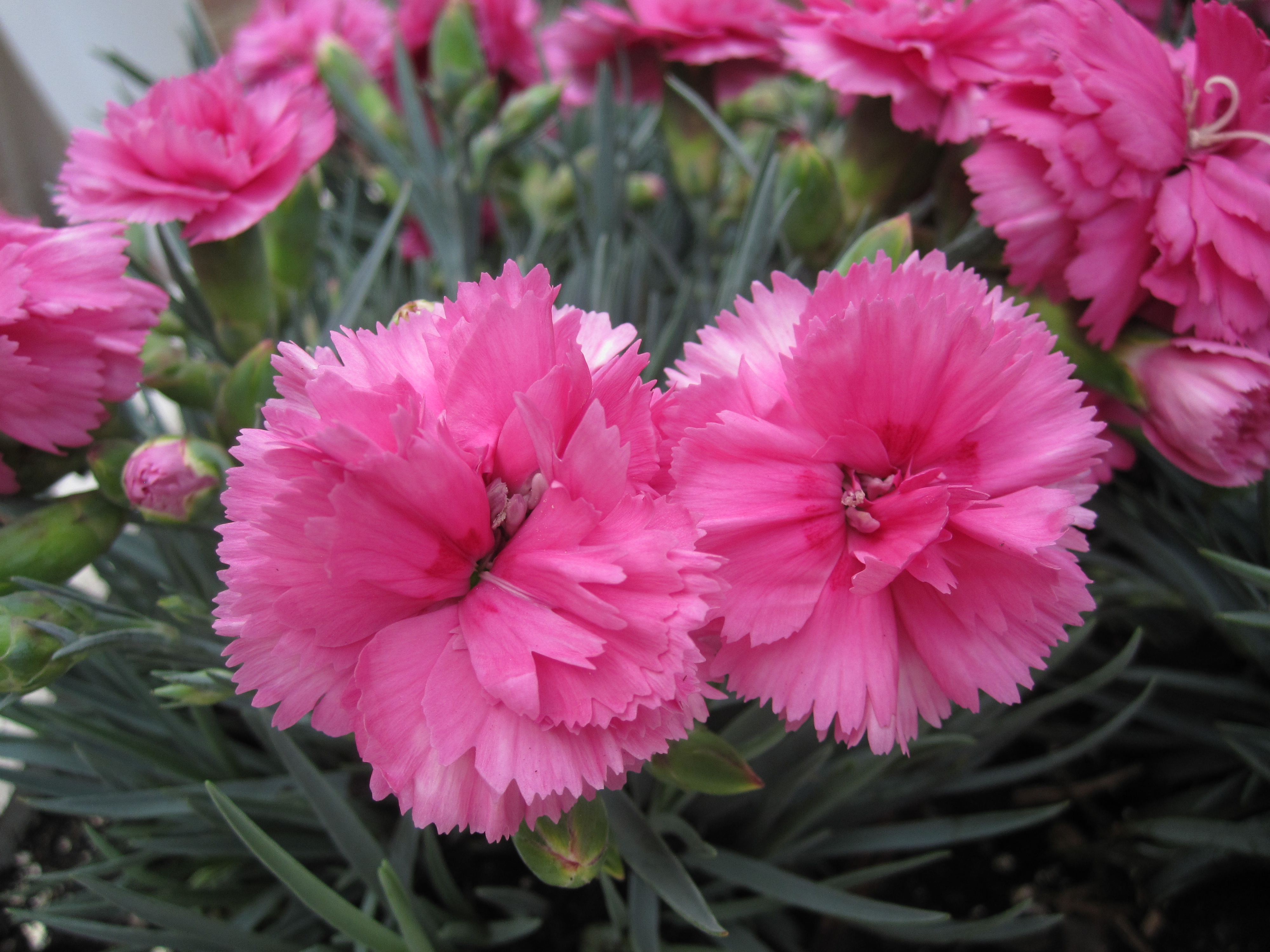
Carnations can carry sweet symbolism such as white for "sweet and lovely", pink for "womanly or motherly love".
It can also carry negative connotations such as yellow for "rejection or disdain" or purple for "capriciousness or unreliability".
A striped carnation can be reciprocated to indicate refusal or rejection while a solid colour means affirmation with varying degrees using its colour.
Other popular flowers that hold a multitude of meanings based on their appearance are Roses, Tulips and Lilies.
Below is a comprehensive table of flowers and their symbolism: